Our Efforts in Anti-Racism
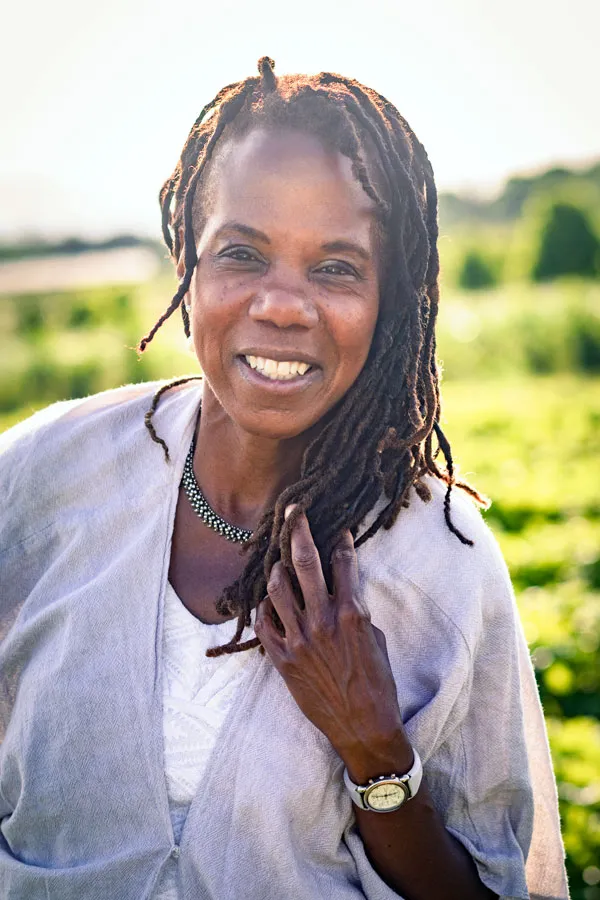
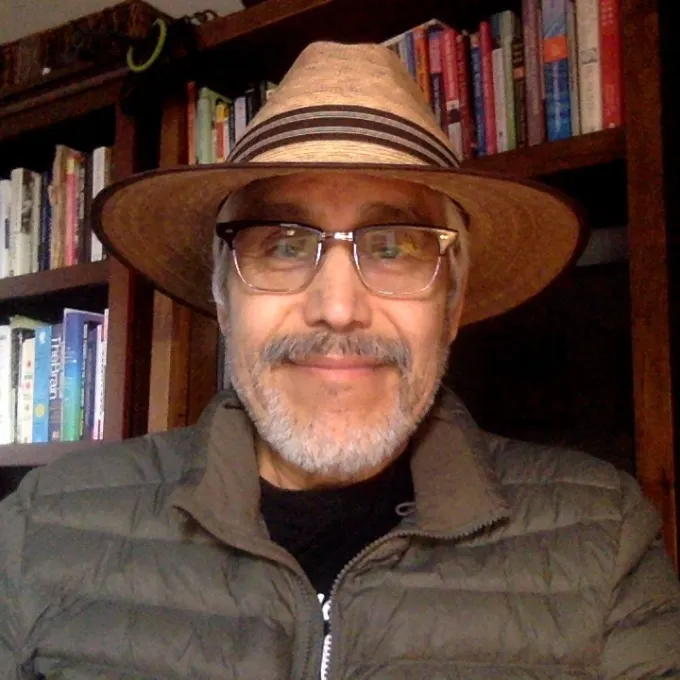
Unique to WashU, this program, now in its fifth year, has expanded access to mindfulness teachings and practice by elevating the voices of experts weaving mindfulness and meditation with social justice. We are on the leading edge of combining mindfulness with anti-racism and justice. We continue to have strong interest from within and beyond the WashU community for these events, which we plan to expand further into the community.
Access
Research has shown that mindfulness offers significant benefits to the physical and mental health of individuals, with great potential for improving public health. However, the first wave of modern thought leaders and researchers in mindfulness come from a limited perspective that does not reflect the diversity and needs of all communities. That’s why we are investigating barriers in current mindfulness practices, structured interventions and dissemination routes that reduce the accessibility and awareness of these practices to under-represented and minoritized communities.
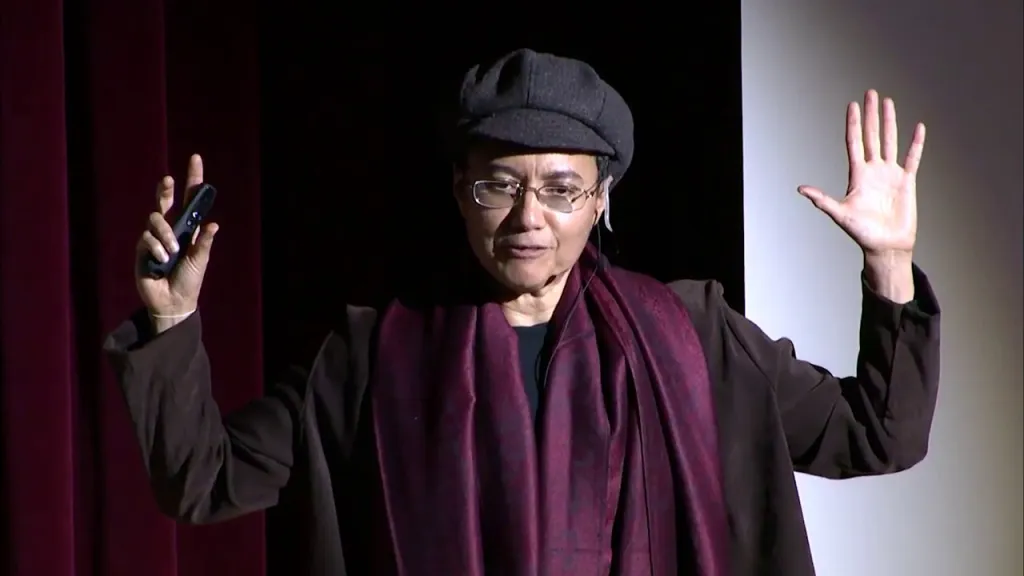
Long aware of the lack of diverse voices in mindfulness, our group started the Mindfulness and Anti-Racism Speaker Series with funding from the CRE2 in late 2020 to elevate these voices, thinking it would be short-lived. However, attendance made it clear there was demand for this. More than 600 people registered for the inaugural talk by Rhonda Magee in 2021 and the recording has been watched over 700 times online. Scroll down to learn more about our past speakers and upcoming events.
Social Change
Challenging systemic oppression requires transformation across internal and external dimensions where both are necessary to support more effective, sustainable social justice movements. Mindfulness practice can bring about transformation on multiple levels: personal, interpersonal, institutional, systemic and cultural. Communal mindfulness and conscious social change offer a set of tools for making the hidden manifest and amplifying truth, understanding issues, unlocking creative solutions, and engaging communities in cultural change.
Mindfulness can illuminate patterns of oppressive culture, disrupt bias, and motivate us toward greater interconnectedness. Mindfulness practices also offer healing support and restoration in the face of racism-related stress and harm, entrenchment and backlash.